


Mobile apps
One app for iPhone and Android
One codebase, every screen designed first, released on both stores under your name.
- Happy Travels
- Son Of Earth Northern Rivers NSW
- Konpak Tiny Homes Australia
- Brookfarm Byron Bay
- Moonshine Coffee Byron Bay
- Find Creatives
- Jase Sullivan Interior Design
- Klammer
- Flim video productions
- Caffesso Gourmet Coffee
- AUNA
- NEST Apartments
- Marea Tweed Heads Logo













Why one codebase
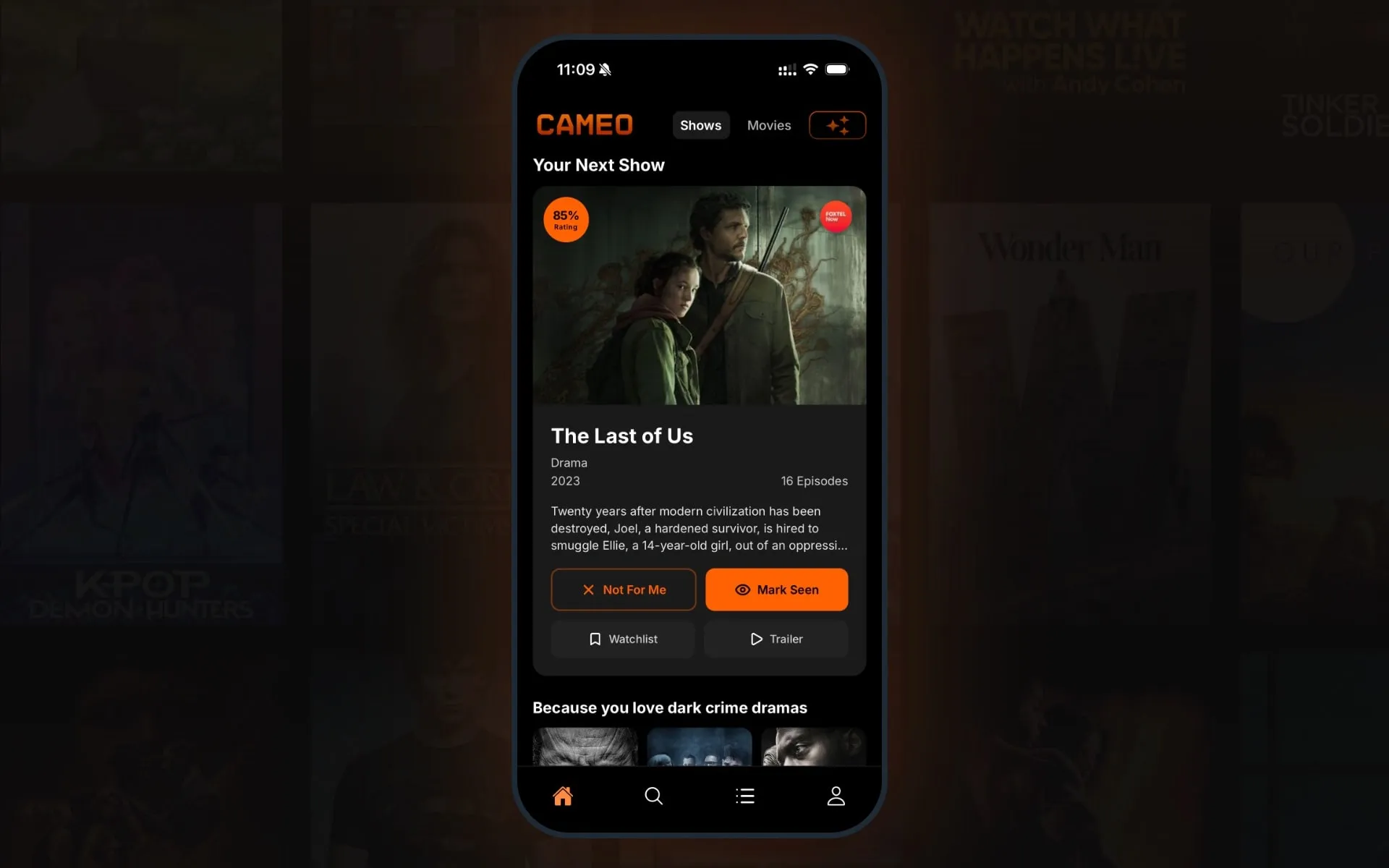
One codebase means one app to look after, one release for both stores, and every screen approved in Figma before I write a line of code.
Is a cross-platform app right for you?
One codebase suits most apps, not every one.
Flutter covers most first versions well, and native fits apps built around the newest phone features. This is how the options compare.
Cross-platform appThis pageBest for: Most business apps: accounts, payments, maps, the camera and push notifications on both phones
- App stores
- One codebase, released to the App Store and Google Play together
- Phone features
- Push, payments, maps, the camera and offline use, with native code where an app needs it
- Cost to build
- From $18,000
- Time to launch
- 12 to 16 weeks, including store review
- Updates
- Made once, released to both stores
- Where it falls short
- Apps built around brand-new platform features may need native code alongside it
Mobile-friendly web appBest for: Tools people open now and then, where a link is easier than a download
- App stores
- Not listed; people open it from a link or add it to their home screen
- Phone features
- Limited, especially on iPhone, for push notifications and background tasks
- Cost to build
- The lowest: one build that runs in the browser
- Time to launch
- No store review to wait for
- Updates
- Live for everyone as soon as they're deployed
- Where it falls short
- No store listing, and less access to the phone
Two native appsBest for: Apps built around the newest iPhone or Android features, with a team for each platform
- App stores
- Two apps, each built and submitted separately
- Phone features
- Everything each platform offers, as soon as it ships
- Cost to build
- The highest: two apps designed, built and tested separately
- Time to launch
- Longer: two builds and two store reviews
- Updates
- Every change made twice, once in each codebase
- Where it falls short
- Twice the code to look after, usually by two teams
| Compared on | Mobile-friendly web app | Two native apps | Cross-platform app |
|---|---|---|---|
| Best for | Tools people open now and then, where a link is easier than a download | Apps built around the newest iPhone or Android features, with a team for each platform | Most business apps: accounts, payments, maps, the camera and push notifications on both phones |
| App stores | Not listed; people open it from a link or add it to their home screen | Two apps, each built and submitted separately | One codebase, released to the App Store and Google Play together |
| Phone features | Limited, especially on iPhone, for push notifications and background tasks | Everything each platform offers, as soon as it ships | Push, payments, maps, the camera and offline use, with native code where an app needs it |
| Cost to build | The lowest: one build that runs in the browser | The highest: two apps designed, built and tested separately | From $18,000 |
| Time to launch | No store review to wait for | Longer: two builds and two store reviews | 12 to 16 weeks, including store review |
| Updates | Live for everyone as soon as they're deployed | Every change made twice, once in each codebase | Made once, released to both stores |
| Where it falls short | No store listing, and less access to the phone | Twice the code to look after, usually by two teams | Apps built around brand-new platform features may need native code alongside it |
Not sure which fits? Tell me about your project and I'll recommend one.
The process
From an idea to both app stores.
Most first versions take 12 to 16 weeks, including store review. You test real builds on your own phone along the way.
- DiscoveryWeeks 1 to 2
Discovery
- User flows
- Version one scope
- Flutter or native
- Fixed price and dates
- DesignWeeks 2 to 5
Product design
- Wireframes
- Every screen designed
- Clickable prototype
- Your sign-off
- BuildWeeks 5 to 12
Build
- iOS and Android app
- Backend and admin
- Push notifications
- Test builds
- TestWeeks 12 to 14
Testing
- Device testing
- Bug fixes
- Crash reporting
- Speed pass
- ReleaseWeeks 14 to 16
Store release
- App Store release
- Google Play release
- Store listings
- 30 days of fixes
Case study
From a web app to both app stores.
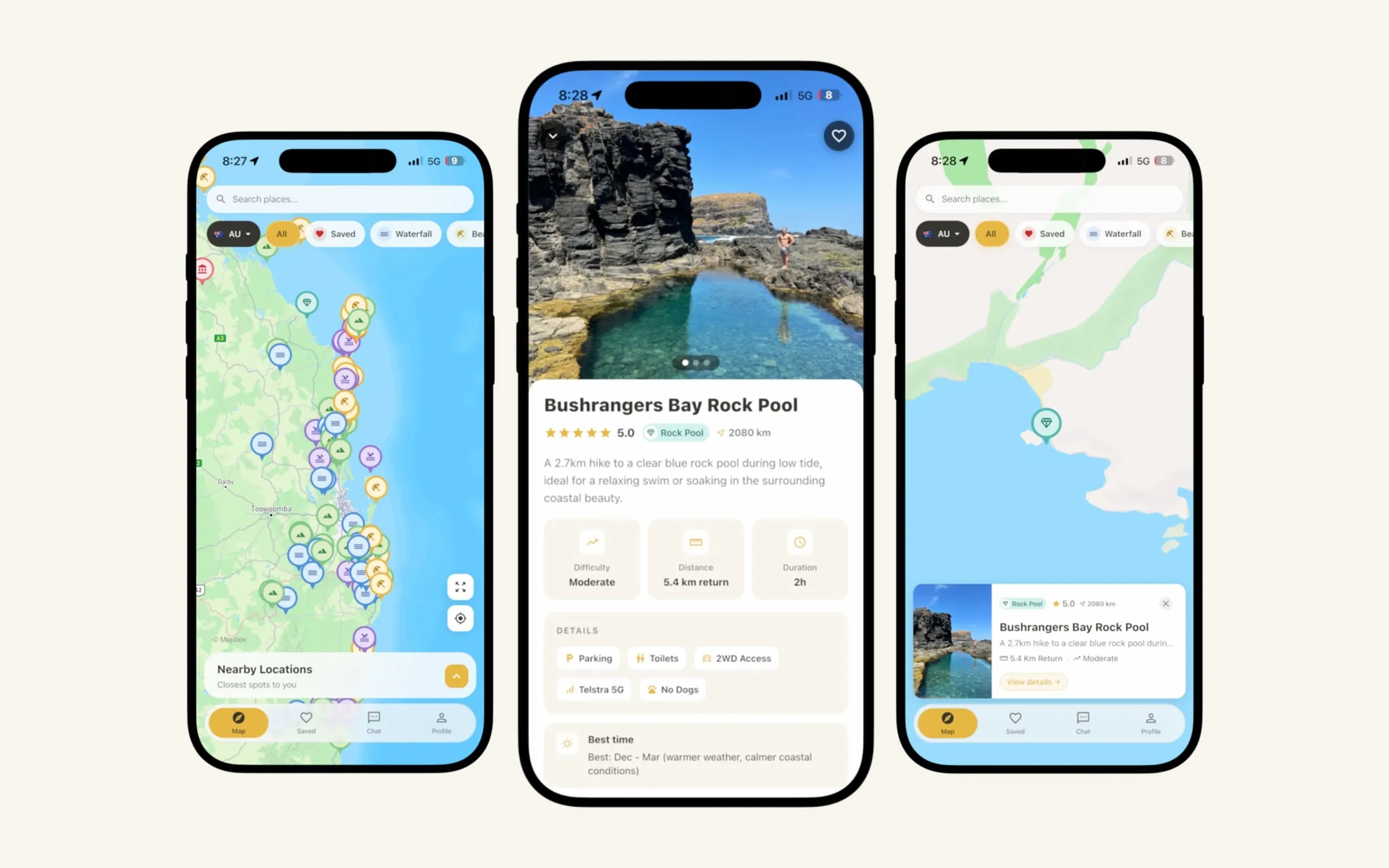
Sole Drift started as a members' map in the browser. Now it's an app on the App Store and Google Play.
Shopify web app → Flutter app
Sole Drift
A members' map of hidden spots, each with images, a description and an exact pin, rebuilt as an iOS and Android app with every existing user moved across.
iOS + Android
Published on the App Store and Google Play
Every user
Moved across from the Shopify web app
The problem
Sole Drift lived in a browser on Shopify, a platform made for selling products rather than running an app, and it already had users.
What I built
A Flutter app for iOS and Android with a custom admin panel in SvelteKit, then a move of every existing user from the web app into the new one.
What you get
An app on both stores, in accounts you own.
Version one of your app, with the server side and admin to run it.
Product design
One codebase, both stores
Backend and admin
The features it needs
Analytics and crashes
Store release
Testimonials
What clients say about working with me
“I've worked with Nico on a few projects and cannot recommend him enough. Amazing attention to detail and extremely easy to work with.. I would 100% use his services again !”
Udai Singh
“Worked with Nic on a recent website project and his work is best in class. Quick communication, easy to work with. Highly recommend!”
Cassandra Michler
“Highly recommend Nico and the team at TALKK! The mobile app we built is better than I thought it could be - Nico is sharp, reliable and delivers quality!!”
Adam Wright
“Nico and the team at TALKK did an outstanding job on our consulting company's website. Their communication was excellent throughout and they took the time to truly understand our vision and made thoughtful recommendations based on it. The end result is a polished, professional website that has received fantastic feedback from everyone who has seen it. Highly recommend!”
Lisa Willard
“Nic developed an app for me, and the entire process was smooth from start to finish. He was incredibly helpful, responsive to my needs, and communicated clearly throughout the project. I'm extremely happy with the final product and the overall experience. I'm very grateful to have had Nic as part of this project and would highly recommend him to anyone looking for a skilled and reliable developer.”
Natascha Krauss
“TALKK Web Design Studio are fantastic to work with. Exceptional communication and unique web design solutions. Highly recommend.”
Aaron Chapman
“Nico is honestly the best developer I have ever worked with. Great design eye, always delivers work above and beyond. Thanks mate.”
Ryan Baldwin
“Nicolas at Talkk took over my old website designer and has it was such a smooth transition completely updating it and making it run so smoothly. Such a great person to deal with. I would highly recommend using his services.”
jase sullivan
Tools
The tools behind my mobile apps.
Cross-platform frameworks, a backend you own, and the tools that get an app through review.
App
- Flutter
- Dart
- Swift
- Kotlin
Backend
- Supabase
- Firebase
- SvelteKit admin
- Postgres
Release
- App Store Connect
- Google Play Console
- TestFlight
- RevenueCat
Design and quality
- Figma
- Claude Code
- Sentry
- Push notifications
FAQs
Mobile app questions, answered
Flutter or native?
Flutter gives you iOS and Android from one codebase, which suits most apps and keeps every update to one release. Native Swift and Kotlin apps make sense when an app is built around the newest iPhone or Android features. I recommend one when I reply to your brief and explain why.
What does an app cost?
Mobile apps start from $18,000. The final price depends on the screens, the server side and the features. Send me a brief and you get a fixed scope and price within two business days.
How long does it take?
Most first versions take 12 to 16 weeks, including store review. Marketplaces, subscriptions and offline mode add time.
Who owns the app and the accounts?
You do. The App Store and Google Play accounts are in your business name, the code is in your own account and so is the backend.
Do you handle App Store and Google Play review?
Yes. I prepare the listings, screenshots and privacy details, submit the builds and deal with any feedback from review.
Can you move our web app users into the app?
Yes. I did this for Sole Drift, moving every existing user from their Shopify web app into the new iOS and Android app.
What happens after launch?
You get 30 days of fixes. After that, new features and OS updates are quoted separately.
Available for projects
Let's work together
Have a project in mind? I'd love to hear about it. Let's get it built together.
hello@talkk.com.au